
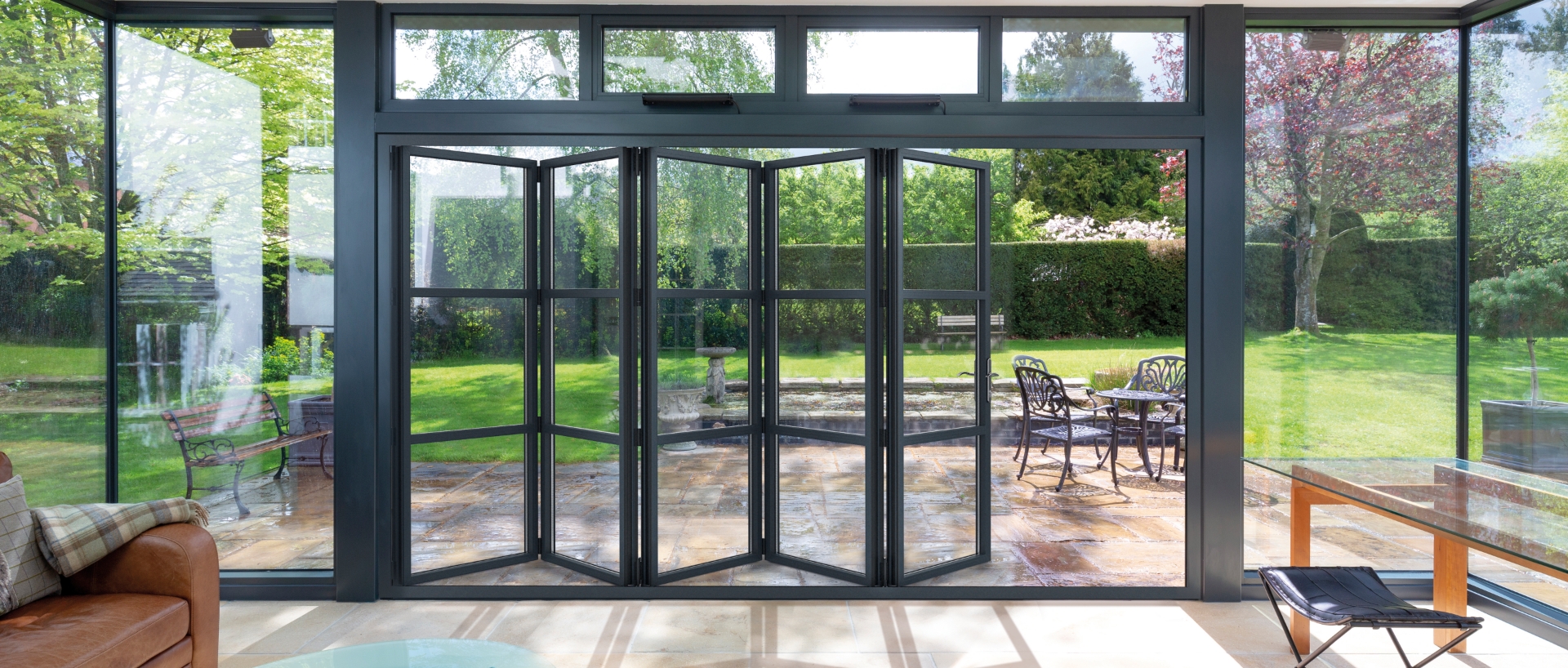
Spring Is Coming: Why February is the Prime Month for Bifold Door Orders

Spring Is Coming: Why February is the Prime Month for Bifold Door Orders

The arrival of spring marks peak demand for bifold doors and glazing. Manufacturers and fabricators face increased project demand from developers and contractors preparing projects for seasonal completion.

Procurement timing is critical to meet construction and handover schedules. Planning ahead is always advised, as early ordering supports programme certainty and installation readiness, keeping projects running smoothly.

February represents an optimal procurement window ahead of spring demand. With aluminium bifold doors being widely specified in residential and mixed-use schemes, BDC Aluminium is a reliable fabricator, supplying your bifold door systems.
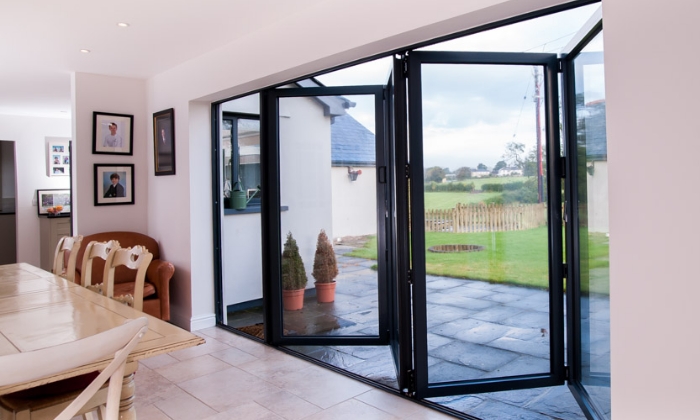
Beating the Spring Rush

The demand for bifold doors increases significantly across residential and commercial schemes in the spring, as specifiers, developers and contractors prepare for their high usage in the warmer, brighter months.

This results in the tightening of fabrication quality and lead times as seasonal orders rise. Early procurement secures production allocation and supports a more predictable construction schedule. Planning early reduces the risk of programme delays, helping contractors meet installation milestones and developers maintain handover timelines.

Register for a Trade Account with BDC Today

For developers, contractors and specifiers, we recommend applying for a trade account with BDC Aluminium. It allows direct access to our bifold systems, alongside streamlined procurement and ordering.

We provide trade-focused communication and support, with reliable supply partnerships across your projects. We support repeat specification and procurement to streamline the ordering process even further.

Simply register for a trade account via our website – early set-up is encouraged before the seasonal procurement peak.

Newsletter

Explaining Thermal Efficiency in Aluminium Windows & Doors to Customers
Posted today News

Explaining Thermal Efficiency in Aluminium Windows & Doors to Customers

Thermal efficiency is a key selling point for modern windows and doors. Awareness of its importance is higher than ever, as customers become increasingly conscious of the role insulation plays in their energy bills and the sustainability of modern building materials. Because technical jargon such as U-values, glazing units, and thermal breaks can be confusing for some, installers and specifiers often act as the link between technical specifications and customer understanding. The aim is to translate technical performance into practical benefits, like reduced heating costs or increased comfort indoors. BDC Aluminium’s windows and doors are designed to combine strong aesthetics with high energy performance that modern buildings can rely on. What Thermal Efficiency Means ‘Thermal efficiency’ refers to how well windows or doors reduce heat transfer between inside and outside. As they are common areas where heat can escape a building, strong thermal efficiency is important. BDC’s modern window and door systems are designed to reduce heat loss through improved materials and advanced glazing. Customers love to hear about how a system can lower heating bills and create more comfortable internal temperatures – focus on tangible results. U-Values & Thermal Breaks Explained A ‘U-value’ is simply a measure of how easily heat passes through a window or door. It is measured in W/m²K (watts per square metre per degree Kelvin). The lower the U-value, the better the insulation performance, and this is what customers should be looking for when making their choice. Customers should avoid single glazing as it has very poor insulation performance. Instead, double or triple-glazing offers greater thermal performance for projects that require high-efficiency fenestration. Because aluminium naturally conducts heat, this historically affected its insulation performance. To combat this, our systems include thermal breaks to prevent this from happening. These breaks reduce heat transfer through the frame and significantly improve their thermal performance. Thermal Efficiency Components Explained The table below should help simplify technical elements that you might need to explain to customers. Component What It Does Impact on Efficiency Why It Matters to Customers Double/Triple Glazing Uses multiple glass panes Reduces heat transfer through the frame Keeps buildings warmer and reduces heating costs Thermal Breaks Insulating barrier between frames Reduces conduction through the frame Prevents cold frames Sealed Units Airtight glazing Minimises heat loss Improves comfort and reduces energy waste Frame Design Modern frames incorporate insulated profiles Enhances overall performance Ensures full system efficiency How Installers Can Communicate Value Customers care less about technical metrics and more about real-life outcomes. Describing benefits like how buildings stay warmer, heating bills are lower, and condensation is reduced is much easier to understand for the layperson. Simple explanations like “Lower U-values mean less heat escaping” and “Thermal breaks stop the aluminium frame conducting heat” should help customers understand. Emphasising the decreased energy consumption and increased internal comfort will also help. Explore the BDC Aluminium range to discover window and door systems designed to deliver modern thermal efficiency and performance.

© 2026 BDC Aluminium Ltd

Terms and Conditions

CONTACT US

TRADE LOGIN

NEW CUSTOMER