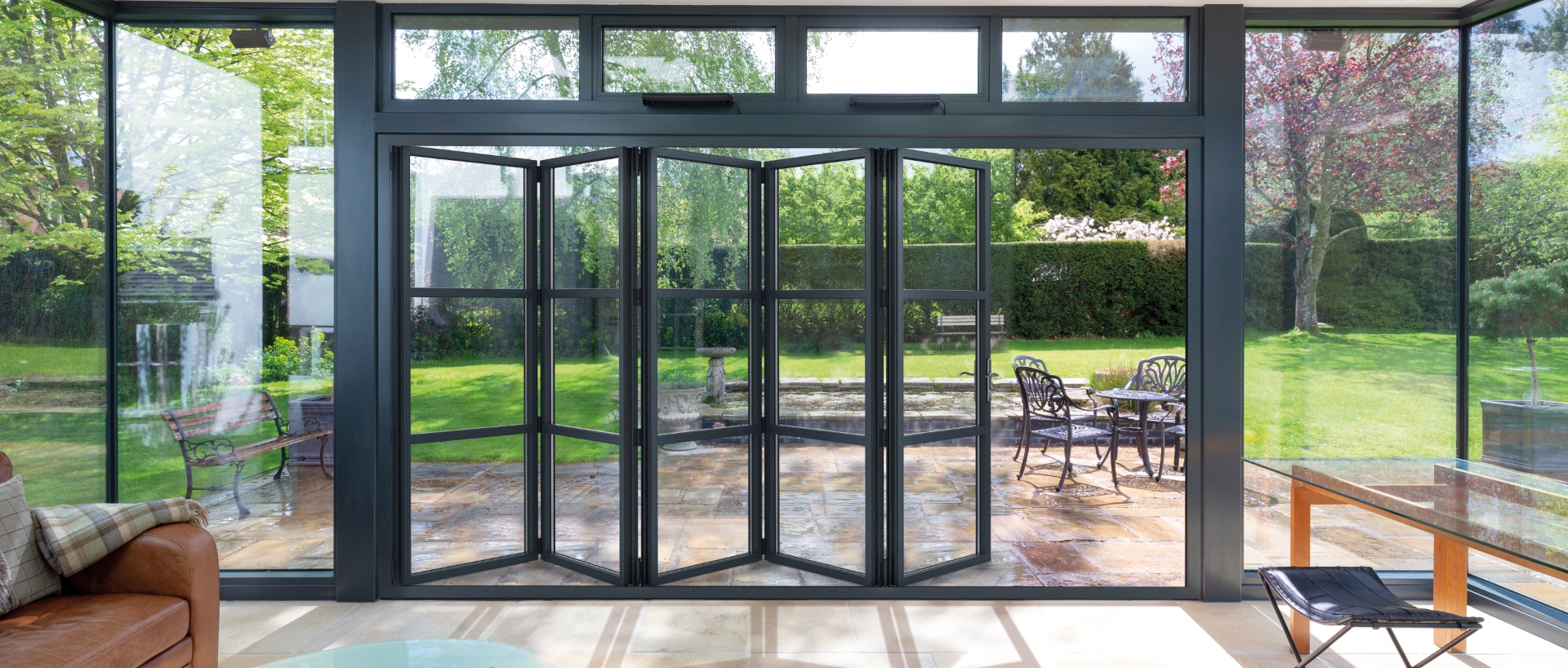
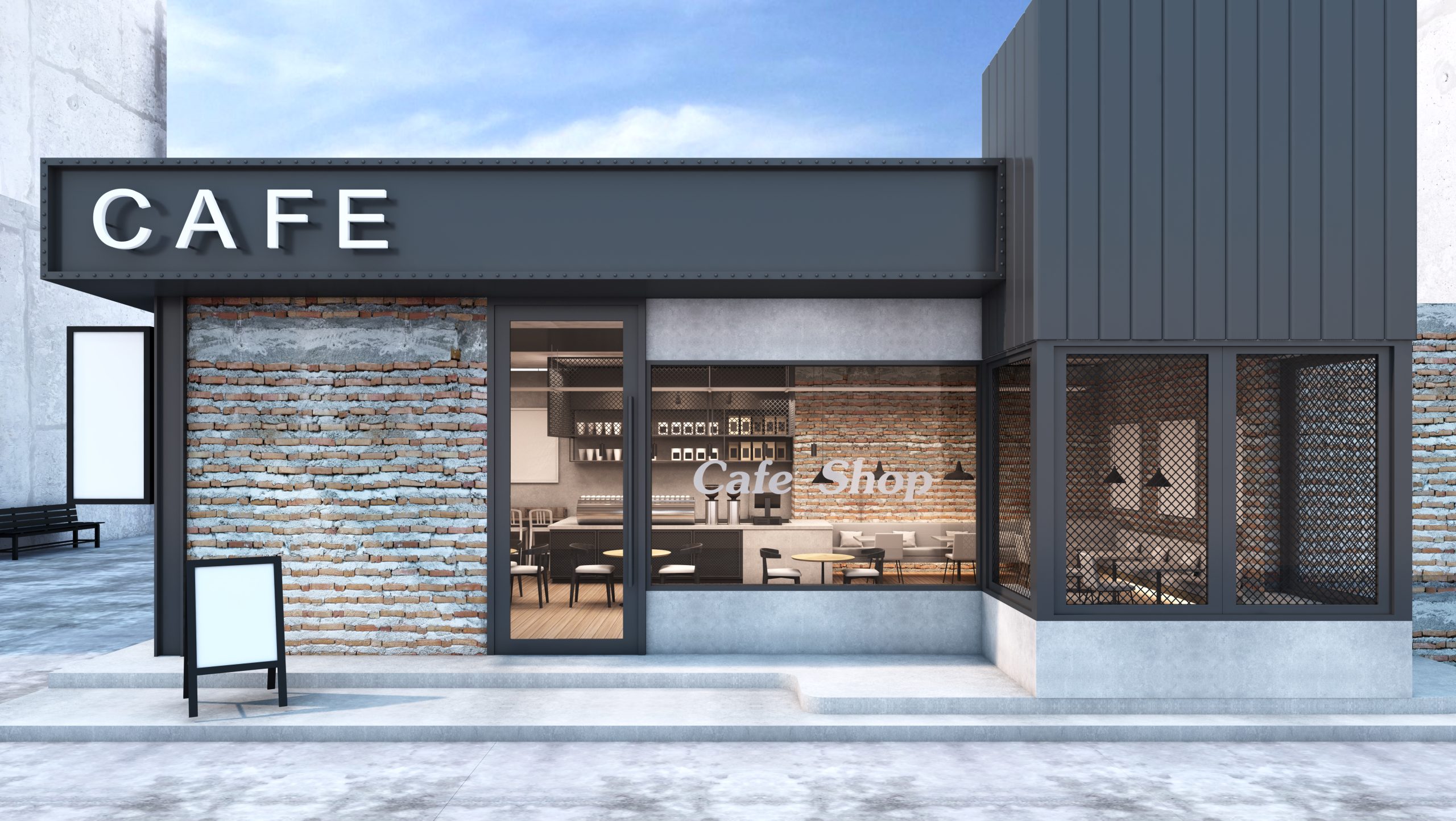
Explaining Thermal Efficiency in Aluminium Windows & Doors to Customers

Explaining Thermal Efficiency in Aluminium Windows & Doors to Customers

Thermal efficiency is a key selling point for modern windows and doors. Awareness of its importance is higher than ever, as customers become increasingly conscious of the role insulation plays in their energy bills and the sustainability of modern building materials.

Because technical jargon such as U-values, glazing units, and thermal breaks can be confusing for some, installers and specifiers often act as the link between technical specifications and customer understanding. The aim is to translate technical performance into practical benefits, like reduced heating costs or increased comfort indoors.

BDC Aluminium’s windows and doors are designed to combine strong aesthetics with high energy performance that modern buildings can rely on.

What Thermal Efficiency Means

‘Thermal efficiency’ refers to how well windows or doors reduce heat transfer between inside and outside. As they are common areas where heat can escape a building, strong thermal efficiency is important.

BDC’s modern window and door systems are designed to reduce heat loss through improved materials and advanced glazing. Customers love to hear about how a system can lower heating bills and create more comfortable internal temperatures – focus on tangible results.

U-Values & Thermal Breaks Explained

A ‘U-value’ is simply a measure of how easily heat passes through a window or door. It is measured in W/m²K (watts per square metre per degree Kelvin). The lower the U-value, the better the insulation performance, and this is what customers should be looking for when making their choice.

Customers should avoid single glazing as it has very poor insulation performance. Instead, double or triple-glazing offers greater thermal performance for projects that require high-efficiency fenestration.

Because aluminium naturally conducts heat, this historically affected its insulation performance. To combat this, our systems include thermal breaks to prevent this from happening. These breaks reduce heat transfer through the frame and significantly improve their thermal performance.

Thermal Efficiency Components Explained

The table below should help simplify technical elements that you might need to explain to customers.

Component What It Does Impact on Efficiency Why It Matters to Customers
Double/Triple Glazing Uses multiple glass panes Reduces heat transfer through the frame Keeps buildings warmer and reduces heating costs
Thermal Breaks Insulating barrier between frames Reduces conduction through the frame Prevents cold frames
Sealed Units Airtight glazing Minimises heat loss Improves comfort and reduces energy waste
Frame Design Modern frames incorporate insulated profiles Enhances overall performance Ensures full system efficiency

How Installers Can Communicate Value

Customers care less about technical metrics and more about real-life outcomes. Describing benefits like how buildings stay warmer, heating bills are lower, and condensation is reduced is much easier to understand for the layperson.

Simple explanations like “Lower U-values mean less heat escaping” and “Thermal breaks stop the aluminium frame conducting heat” should help customers understand. Emphasising the decreased energy consumption and increased internal comfort will also help.

Explore the BDC Aluminium range to discover window and door systems designed to deliver modern thermal efficiency and performance.
Newsletter

How to Choose the Right Aluminium System for Different Property Types
4 days ago News

How to Choose the Right Aluminium System for Different Property Types

Aluminium is a versatile, high-performance solution applicable across a variety of sectors – but not all systems are suited to every project type. Systems should be selected based on property type, specification and end-user expectations. Choosing the correct system is crucial to achieving performance, aesthetics and compliance. Residential Renovation Projects Renovation projects usually involve working within existing structures and constraints. As such, choosing systems that are flexible in sizing, configuration, and installation is a must. Homeowners prioritise aesthetics, increased natural light and strong thermal performance. Upgrades like new windows, bifold doors and sliding door systems often make a real difference to residential developments. Slim sightlines are essential to help bring older properties into the modern world. Ease of installation and compatibility with existing openings are key considerations. Aluminium is a standout option for adding value and appeal to renovation projects. New Build Properties New build projects tend to offer greater design freedom and larger glazing opportunities. With the growing demand for contemporary aesthetics and clean, sharp architectural lines, the use of large-span aluminium glazing, sliding doors and windows helps achieve this. Aluminium systems are ideal for delivering modern, design-led homes on a large scale, with opportunities for developers to differentiate through premium aluminium specifications. Commercial Buildings Commercial projects require durability, performance and scale. Any new systems introduced must add strength, security, longevity and require little upkeep. Typical applications include offices, retail units, education buildings and public spaces. Compliance with strict regulations, including safety and accessibility, is essential. Consistency and reliable quality for larger-scale projects dictate their success. Heritage and Conservation Properties Working on listed buildings or in conservation areas can prove challenging. Developers must strike a balance between modern performance and traditional aesthetics, adhering to planning restrictions and the requirement to maintain the building’s original character. Aluminium systems are designed to replicate traditional sightlines, with classic designs and appropriate colour choices available from BDC Aluminium. Add improved thermal performance while maintaining a classic look with carefully specified aluminium systems. Property Type Recommended Aluminium System Key Considerations Residential Renovation Smart Alitherm 400, Smart Visofold 6000 Retrofit flexibility, thermal performance and modernising existing properties New Build Smart Visofold 1000 Slim, Smart Visoglide Plus Large glazing areas, compliance and design consistency across the development Commercial Shopfront systems, Smart AluSpace internal screens Durability, scale, security and high traffic usage Heritage / Conservation Smart Alitherm Heritage, Smart VS 600 Vertical Sliders, Heritage Doors Traditional aesthetics, planning compliance, slim sightlines with modern performance Talk to BDC Aluminium Experts Today Matching aluminium systems to the property type and requirements is an essential part of any renovation or development project. BDC Aluminium is known for its wide range of products, with suitability across multiple sectors. They’re a reliable partner for installers, fabricators and developers – offering expert technical support, bespoke capability and consistent product quality. For guidance on system selection, get in touch with BDC’s expert team.

© 2026 BDC Aluminium Ltd

Terms and Conditions

CONTACT US

TRADE LOGIN

NEW CUSTOMER