Windows and doors are a long-term investment for both residential and commercial buildings. High-quality fenestration secures the short and long-term performance of any property.
For windows and doors, the frame material affects the system’s performance, durability, energy efficiency, aesthetics and lifecycle cost. This makes choosing the correct material crucial.
Aluminium and uPVC are the two most common glazing frame materials used in the United Kingdom. While the latter traditionally dominated the residential market for its upfront cost, aluminium has grown significantly in popularity in recent years.
Advancements in thermal break technology and glazing performance mean that aluminium systems are far more efficient than older versions. As architects and developers prioritise windows and doors with longevity, high performance and design flexibility as much as costs, aluminium is becoming the go-to choice.
We’ll discuss both options to help you determine which material would work for you.
Aluminium vs uPVC: Strength & Durability Comparison
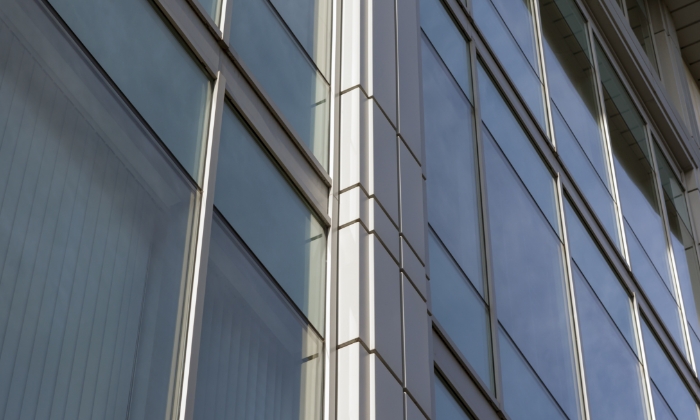
Aluminium is naturally strong and more rigid than uPVC, which makes it suitable for larger glazing installations. The metal’s higher strength enables slimmer frames while accommodating larger, heavier glass panes.
uPVC frames are typically thicker because the material is less rigid. They often require internal reinforcement to improve structural integrity. This limits the sleekness and elegance in appearance which aluminium provides.
Known for their durability and corrosion-resistance, powder-coated aluminium frames provide long-lasting protection and colour. Aluminium systems are often chosen when long-term performance is important.
Thermal Efficiency Explained in Simple Terms
Thermal efficiency describes how well windows or doors prevent heat from escaping, and this is measured in U-value. The lower the U-value, the better the insulation performance.
uPVC is often considered thermally efficient due to the natural insulating properties of plastic. Aluminium frames feature thermal break technology to improve thermal efficiency. These thermal breaks separate the inside and outside sections of the frame to reduce heat transfer. This allows aluminium systems to maintain their slim appearance while meeting modern energy-efficiency expectations.
Design Flexibility, Aesthetics & Project Suitability
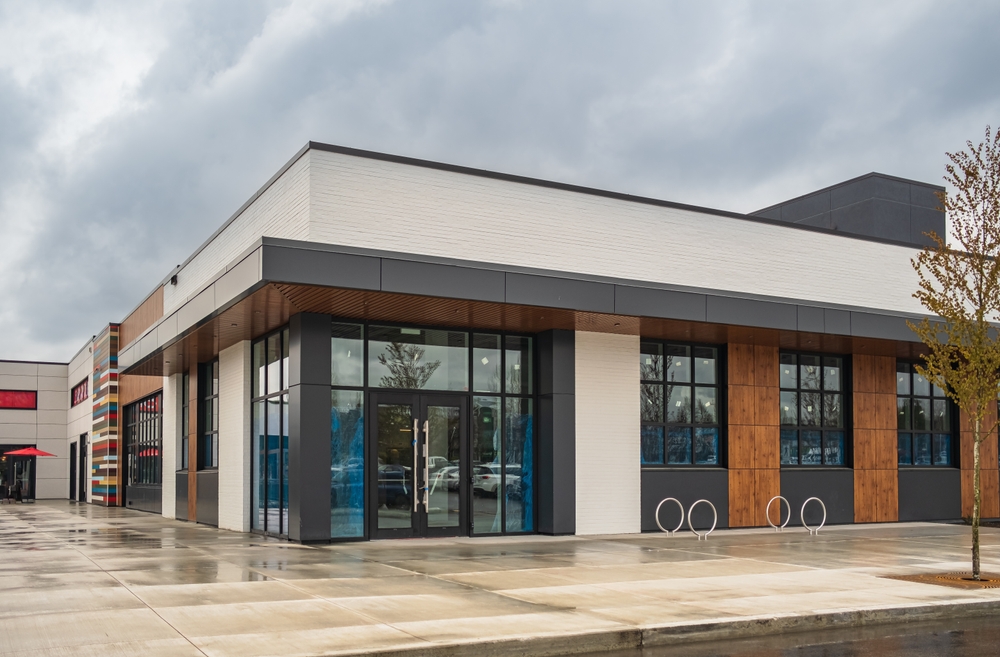
Aluminium frames allow slimmer sightlines and larger glass areas, ideal for increasing the natural light levels internally. These elegant profiles make aluminium systems well-suited to modern architectural and contemporary designs. uPVC frames are usually available in a smaller range of colours and finishes. BDC’s aluminium windows and doors can be powder-coated in a wide range of colours or with a bespoke RAL finish you specify. Because no two projects are the same, this design flexibility is important.
Aluminium vs uPVC Comparison Table
| Feature | Aluminium Benefits | uPVC Equivalent | Best For |
|---|---|---|---|
| Strength | Strong material suitable for large glazing | Less rigid | Large windows and doors |
| Frame appearance | Slim profiles and sightlines | Thicker | Modern designs |
| Energy Efficiency | Thermally broken frames improve insulation | Naturally insulating plastic | Energy-efficient buildings |
| Colour Options | Wide range of RAL powder-coated finishes | Limited colours | Custom design projects |
| Durability | Corrosion-resistant | Durable but plastic-based | Long-term installations |
| Cost | Higher upfront investment | Lower upfront cost | Budget residential projects |
If you’re planning a project and would like expert guidance on aluminium glazing systems, get in touch. We work with industry professionals to deliver high-performance aluminium windows and doors tailored to each project.