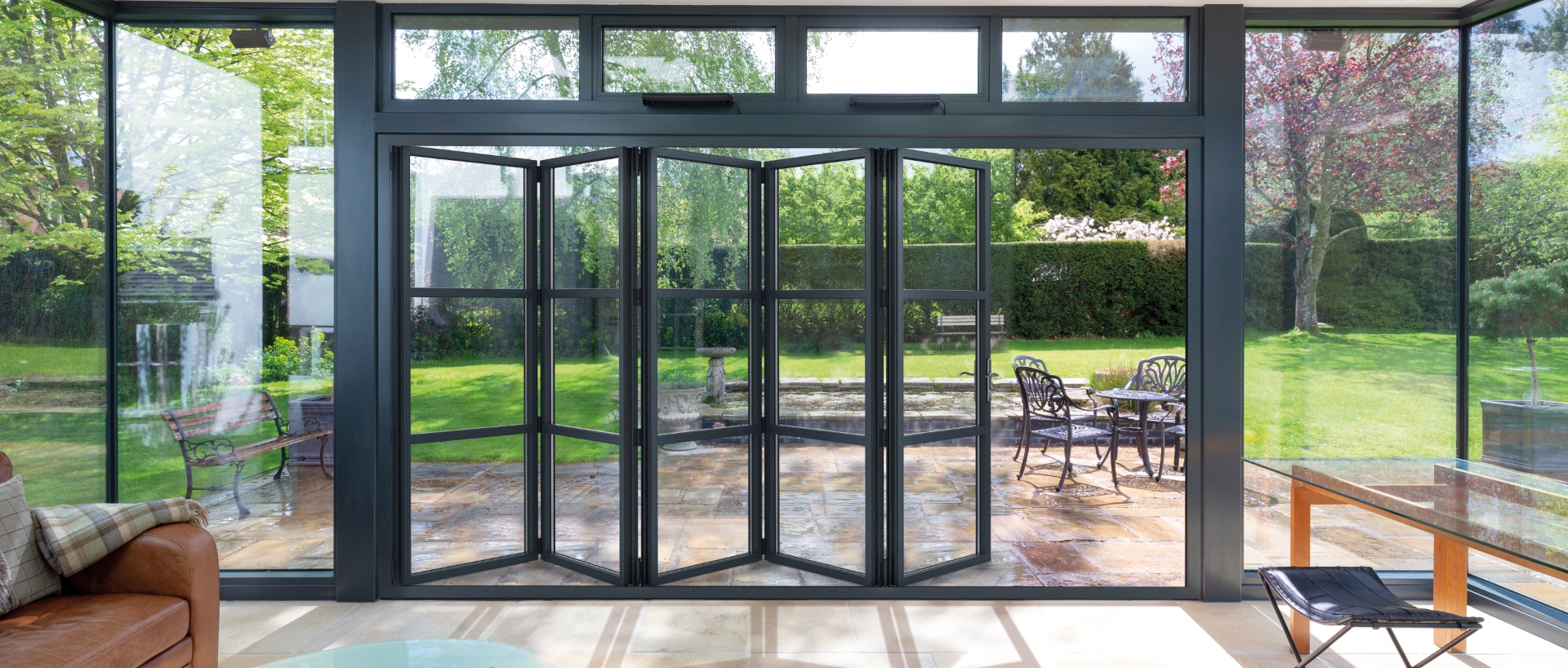
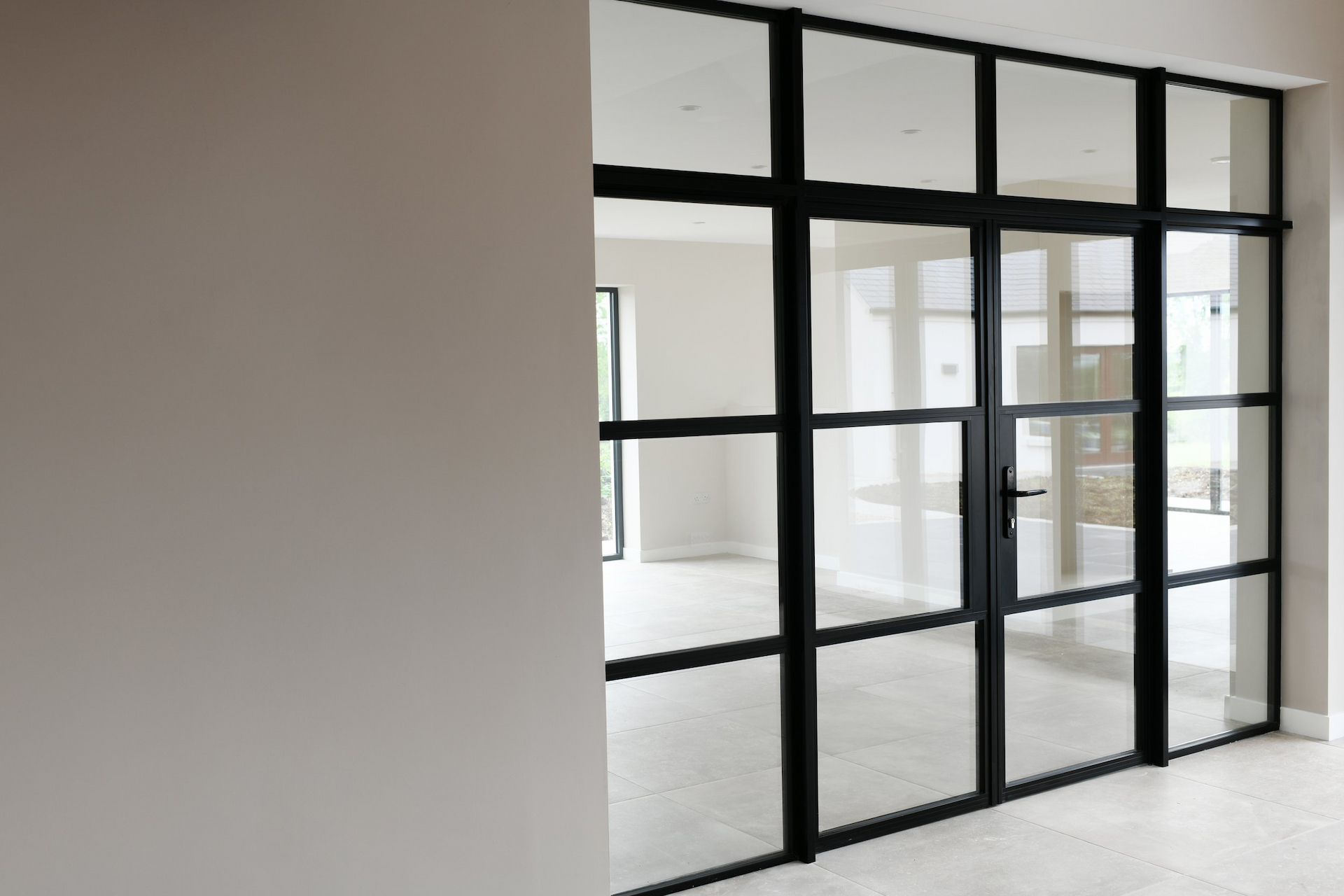
How Internal Aluminium Screens Improve Acoustic Performance in Modern Offices

How Internal Aluminium Screens Improve Acoustic Performance in Modern Offices

Modern offices must accommodate collaboration, meetings and focused individual work all within the same environment. And while open-plan layouts support flexible working, managing noise and privacy can become challenging.

Unwanted noise, including speech and conversations, is an important consideration in open-plan office design because of its potential to interfere with concentration.

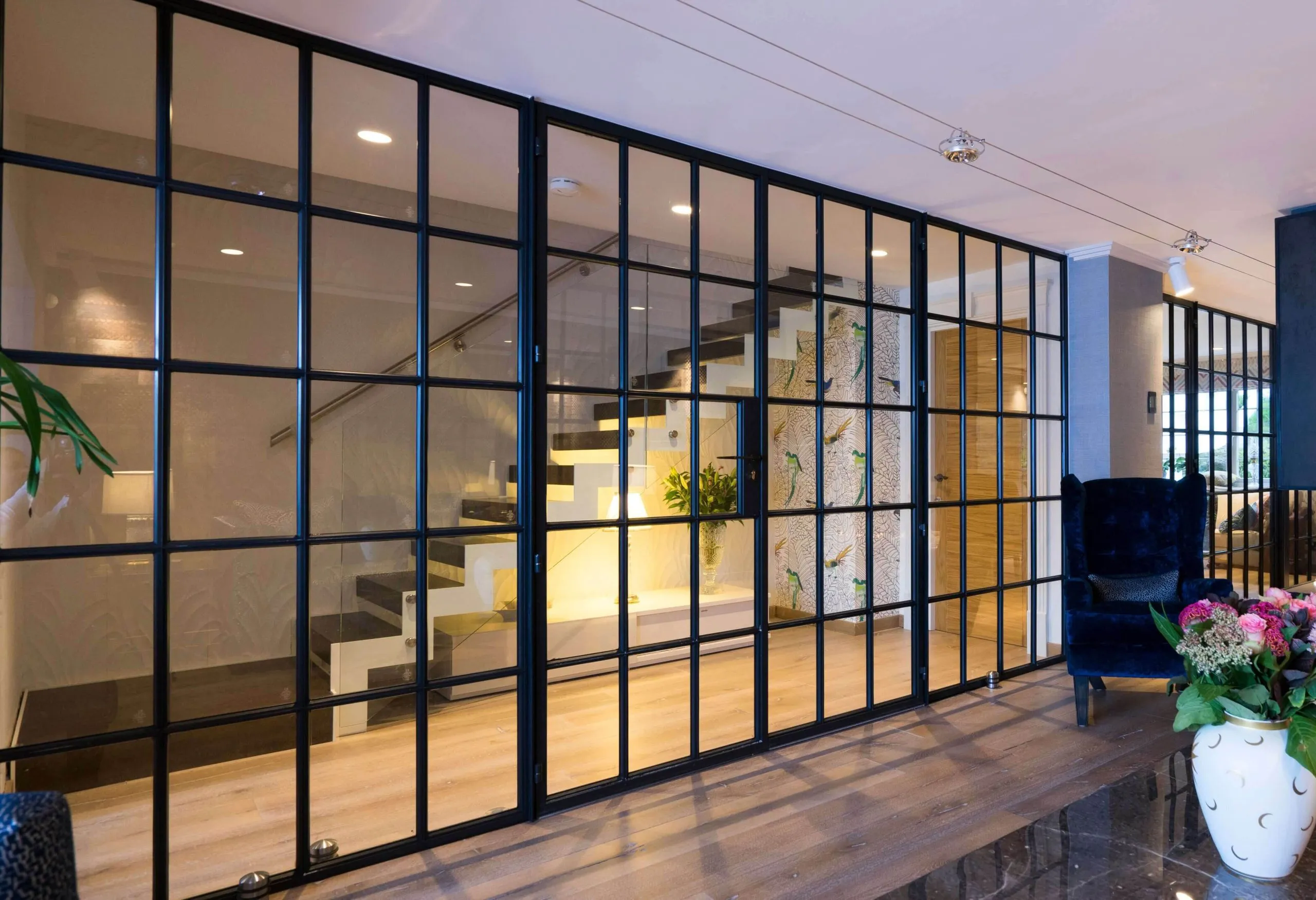
Internal aluminium screens provide an effective solution. They create defined working areas while retaining the light and openness associated with modern office design.
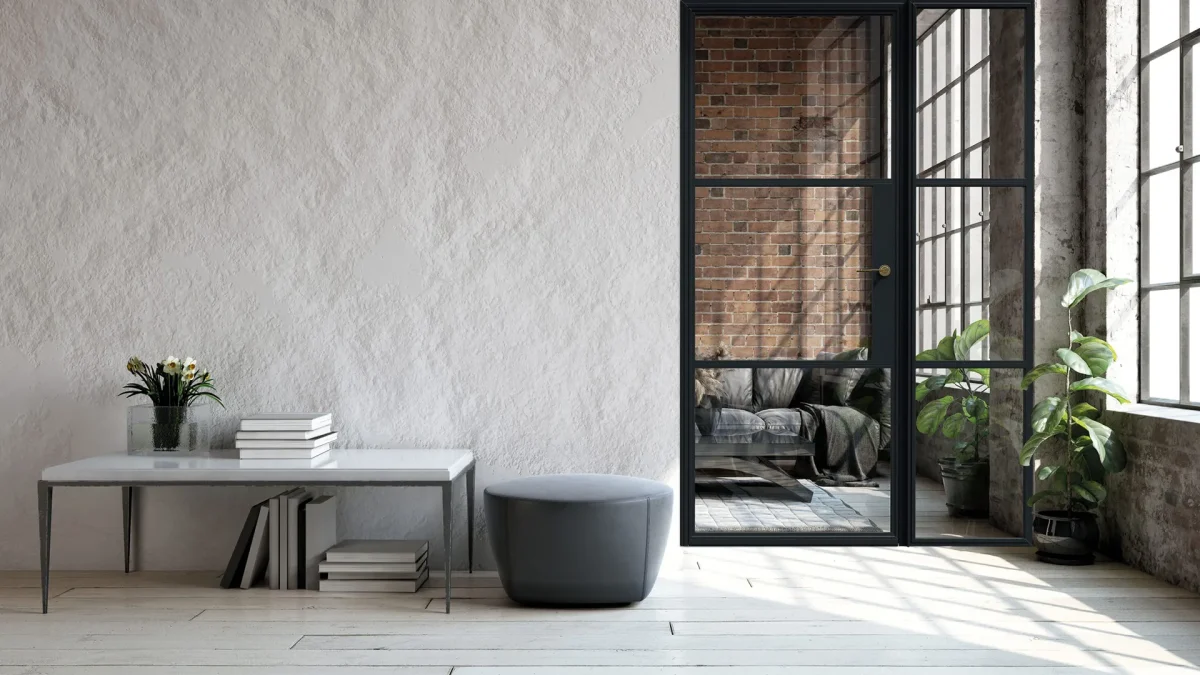
What is an Internal Screen and How Can It Transform Your Space

Open-Plan Offices and the Importance of Acoustic Performance

Open-plan offices can create challenges when conversations, calls and meetings take place alongside employees carrying out focused work.

The appropriate acoustic environment varies depending on how a workplace is used. As such, office design should consider the activities taking place, rather than taking a one-size-fits-all approach.

In the typical UK office, there might be a need for meeting rooms, private spaces and quieter working zones within otherwise open environments.

Glazed partitions can provide both physical and acoustic separation without relying entirely on solid walls, helping retain the open character of the workspace.

How Internal Aluminium Screens Help Reduce Noise Transfer

Internal screens create a physical barrier between different working areas, helping limit sound transmission from one space to another. Glazing specification plays a central role in the level of acoustic insulation that’s provided.

Effective acoustic design considers the complete specification, which includes glazing, doors, screens and the requirements of the individual workspace.
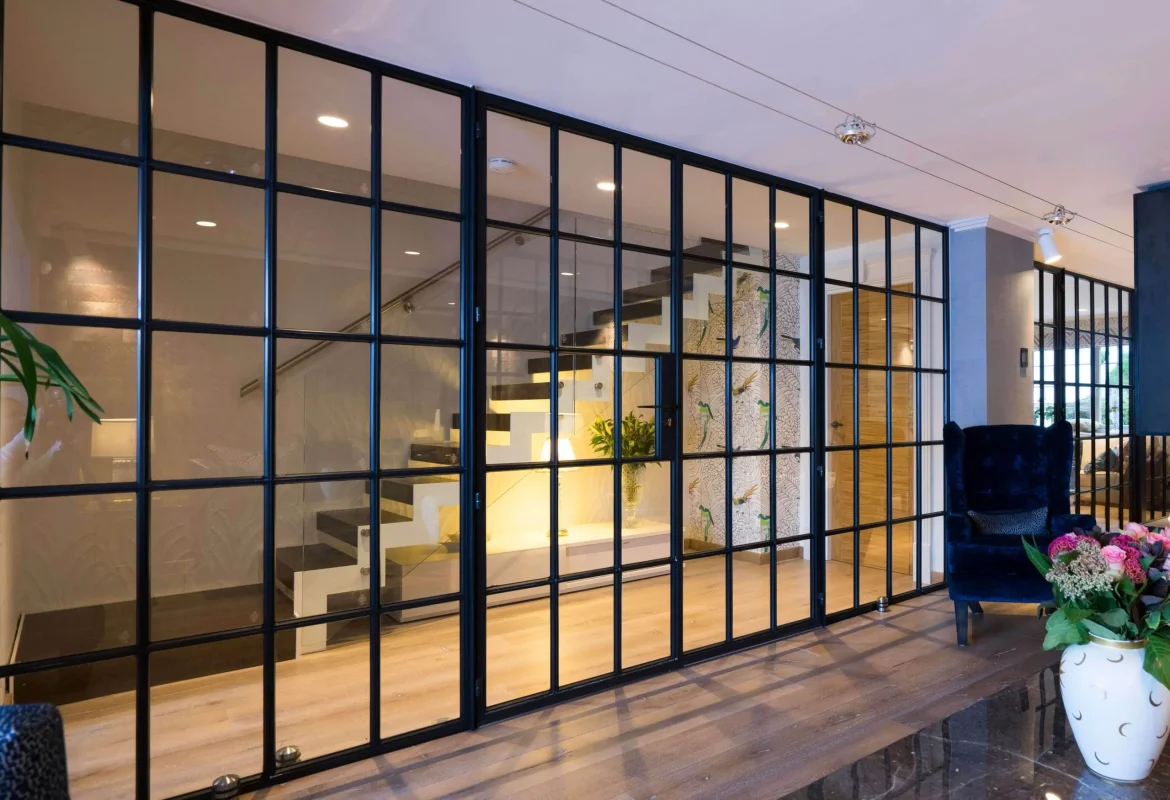
internal-aluminium-screen

BDC Aluminium’s AluSpace Internal Screens

The solution for offices that need effective separation without sacrificing openness? Smart AluSpace Internal Doors & Screens, fabricated and supplied by BDC Aluminium.

These internal doors and screens serve as an effective acoustic barrier, which makes them suitable for dividing commercial environments such as offices.

AluSpace accommodates 6mm, 8mm and 18mm glazing, allowing the glazing specification to be selected according to acoustic insulation requirements. Available as fixed screens as well as hinged, pivot and sliding doors, the system provides flexibility for meeting rooms, offices and other internal zones.

Acoustic Benefits of Internal Aluminium Screens

FeatureBenefit
Glazing OptionsDifferent glazing thicknesses allow the system to be specified according to acoustic insulation requirements
Space SeparationCreates defined meeting rooms, private offices and quieter working areas
Acoustic BarrierHelps reduce sound transfer between different areas of the workplace
Natural LightLarge glazed areas maintain bright, open interiors while providing physical separation
Flexible ConfigurationsFixed, hinged, pivot and sliding options allow screening to suit different office layouts

Create Better Working Environments with BDC Aluminium

Modern offices must balance openness and collaboration with the need for spaces where employees can meet, talk and concentrate with fewer distractions.

Internal aluminium screening is a practical way for architects, specifiers, contractors and installers to create these zones without sacrificing natural light or contemporary design.

BDC’s Smart AluSpace combines acoustic insulation with flexible configurations and slim aluminium profiles, making it a versatile option for contemporary office environments.

Explore BDC Aluminium’s AluSpace Internal Doors & Screens or speak to our team about the requirements of your next commercial project.
Newsletter

Understanding U-Values: What Installers Need to Know
13 days ago News

Understanding U-Values: What Installers Need to Know

U-values are among the most important considerations for installers when specifying windows and doors, particularly given the growing emphasis on thermal performance in modern residential and commercial projects. Installers, developers and specifiers must understand what U-values represent and how different system and glazing specifications affect overall performance, helping them make informed specification decisions. As an experienced trade fabricator supplying thermally broken aluminium systems across a wide range of applications, BDC Aluminium are well-positioned to help trade professionals. What Is a U-Value? Put simply, a U-value measures the rate of heat transfer through a building element, such as a window or door. It’s expressed in W/m²K, and the lower the figure, the better the performance. The complete product specification, including the frame, glazing and configuration, influences the U-value, so all elements should be considered when assessing overall thermal performance. Why U-Values Matter for Compliance Thermal performance plays a central role in meeting current Building Regulations and project-specific requirements. Installers and specifiers should therefore ensure that the complete system being supplied achieves the performance required for the application. Requirements can differ depending on the project type and application, so installers and specifiers should confirm the relevant requirements for each project. When specifying, confirm performance figures for the exact system and configuration rather than relying on generic figures. How Glazing Specification Affects U-Values Glazing SpecificationTypical Performance ConsiderationDouble GlazingOffered as standard, with overall thermal performance dependent on the complete system and glass specificationLow-E / Enhanced Glass SpecificationSpecialist coatings and glass specifications can support improved thermal performanceTriple GlazingProvides enhanced thermal performance where supported by the selected system *Actual U-values depend on the individual window or door system, glazing, size and configuration and should be confirmed against the specific project requirements. BDC's Energy-Efficient Aluminium Systems BDC Aluminium's modern thermally broken aluminium profiles are designed to reduce heat transfer through the frame compared with non-thermally broken systems. Our extensive range features windows and doors suitable for different residential, light commercial and commercial applications. Glazing and system specification can be selected around the performance requirements of the individual project. The expert team at BDC is on hand to provide technical guidance when installers and specifiers need help selecting the most appropriate system for their project. Specify with Confidence Understanding U-values helps trade professionals make informed specification decisions and ensure products are appropriate for the intended application. Considering the complete doorset or window rather than glazing performance in isolation helps ensure the selected product meets the requirements of the application. Need help specifying the right aluminium system? Speak to the BDC Aluminium team about the thermal performance requirements of your next project.

© 2026 BDC Aluminium Ltd

Terms and Conditions

CONTACT US

TRADE LOGIN

NEW CUSTOMER