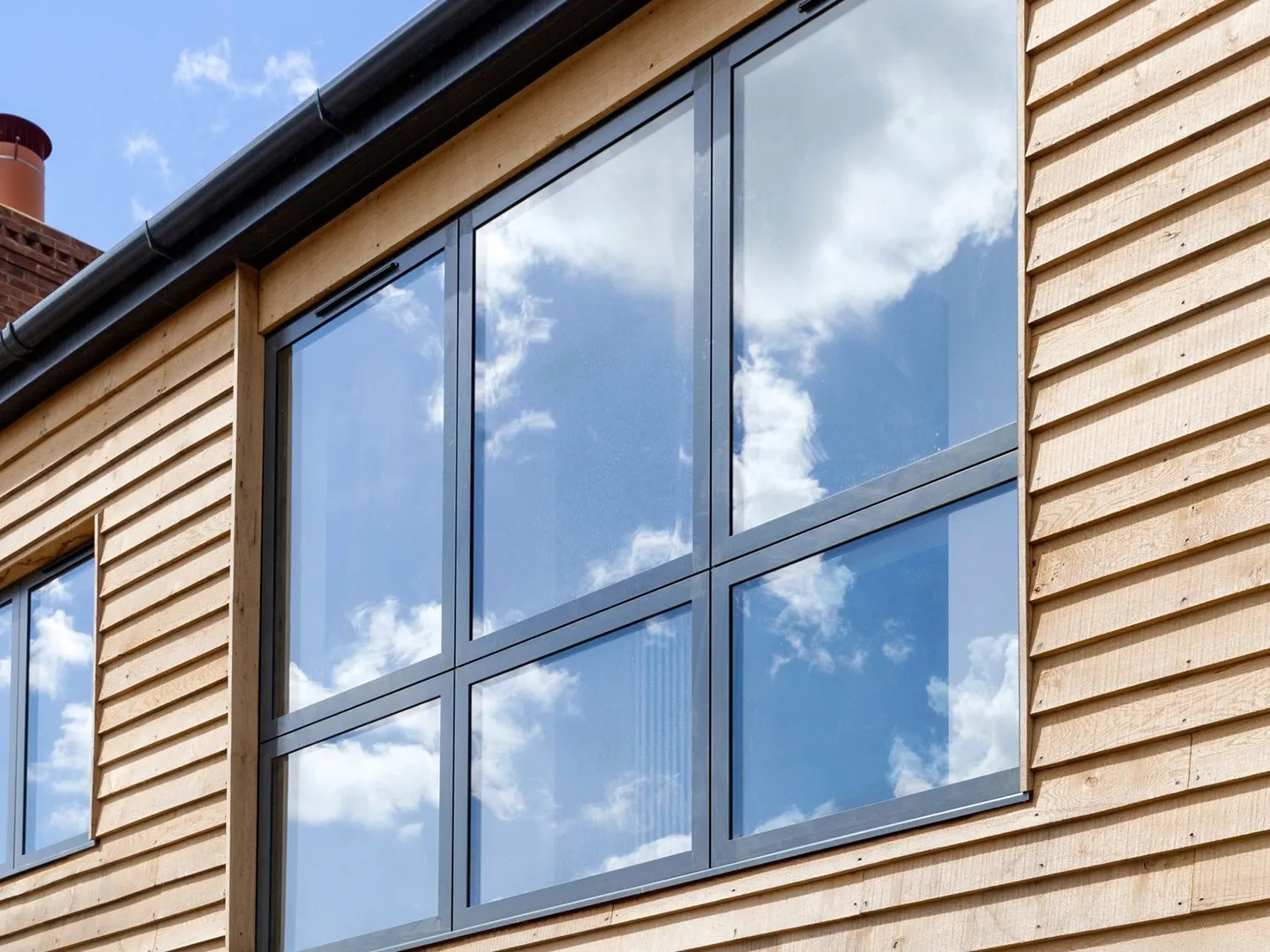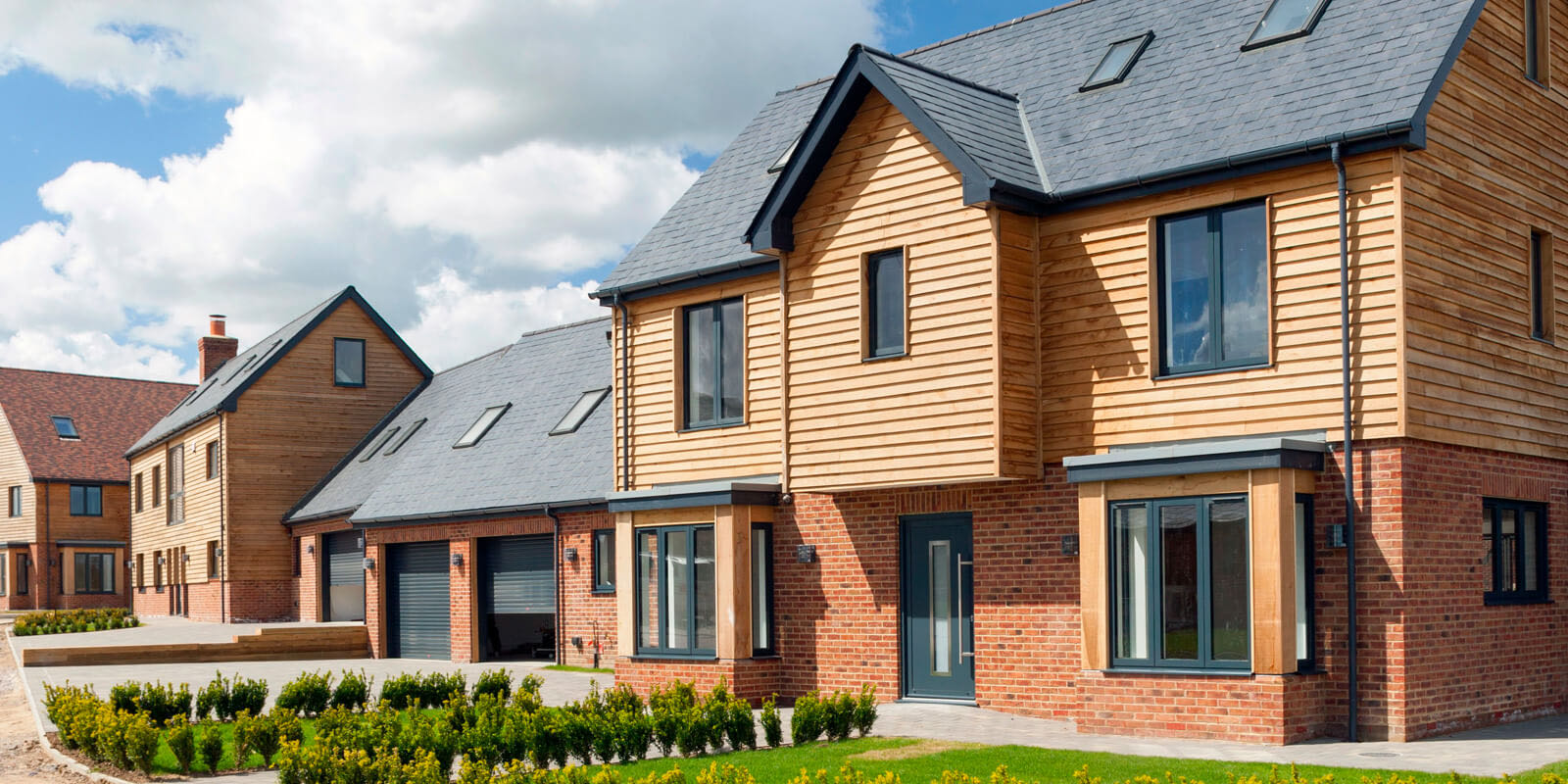
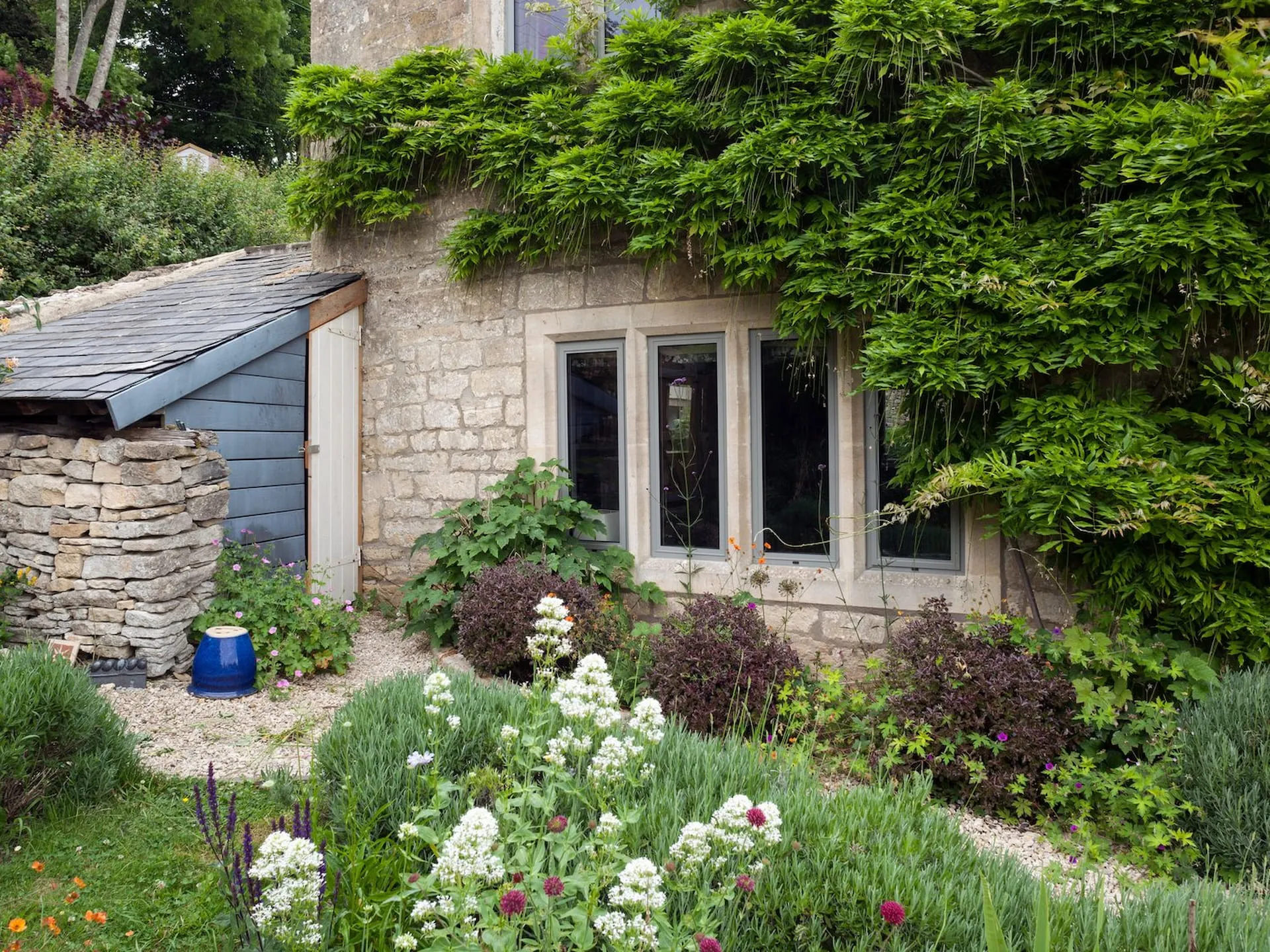
Energy efficiency is an important consideration for installers, developers and specifiers when selecting window systems for residential projects. Windows form an important part of the overall building envelope, with their frames, glazing and installation all contributing to thermal performance.
Given their overall significance, it is important that windows are specified around the project’s U-values and align with any Building Regulations requirements, rather than considering frame material or glazing in isolation.
Modern aluminium window systems can combine slim profiles and durability with strong thermal performance, making them suitable for a wide range of residential projects.
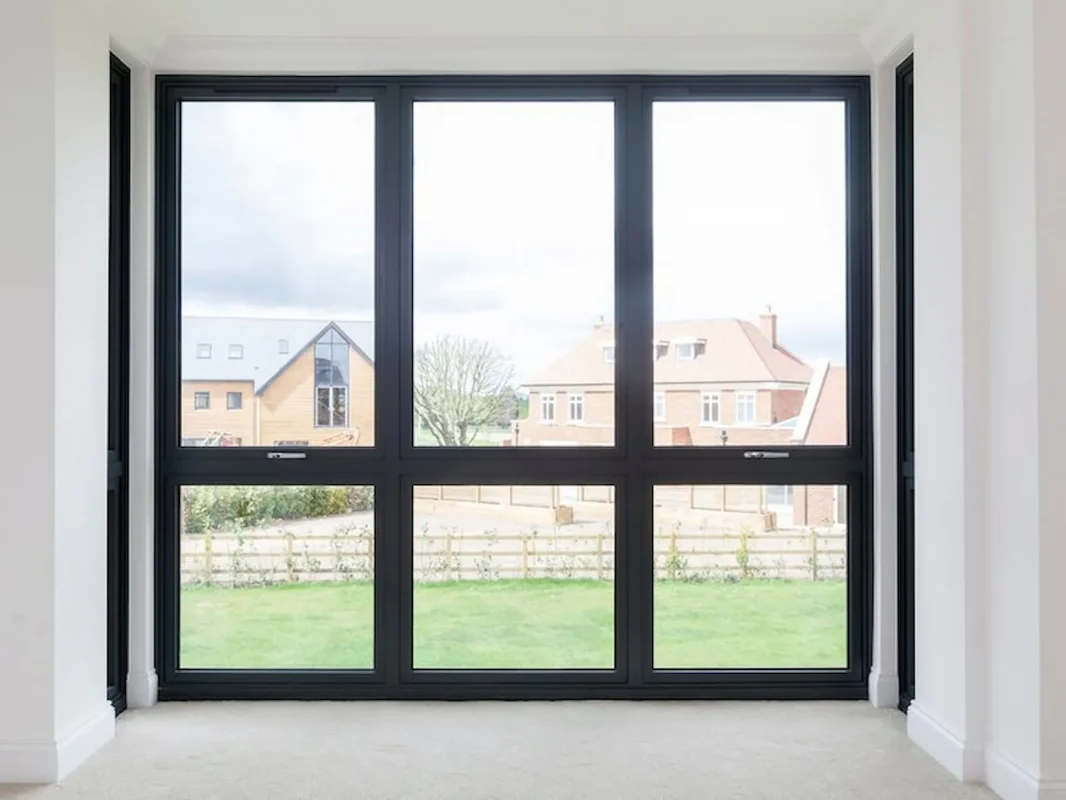
How Aluminium Frames Have Improved
Older aluminium frames without effective thermal breaks could readily transfer heat through the frame. As a result, older aluminium frames could provide lower levels of thermal performance than today’s thermally broken systems.
Modern aluminium systems have developed considerably, incorporating thermally broken profiles designed to reduce heat transfer. Improvements in frame design, glazing and weather sealing have also helped modern aluminium window systems achieve the thermal performance required for a wide range of residential projects.
Thermal Break Technology Explained
Put simply, a ‘thermal break’ is a low-conductivity barrier positioned between the internal and external sections of the aluminium profile. It reduces heat transfer through the frame and improves overall performance.
Thermal breaks work alongside the glazing, seals and overall system design to determine the window’s complete U-value.
Benefits for Homeowners & Developers
Well-specified aluminium window systems can help installers and developers deliver a combination of thermal performance, compliance, contemporary design and long-term practicality.
Thermal comfort: well-specified windows can help reduce unwanted heat transfer and support more consistent indoor temperatures.
Compliance: the right systems help projects meet required thermal-performance targets, subject to the complete specification.
Design: aluminium can combine strong thermal performance with slim profiles and generous glazed areas, supporting contemporary residential specifications.
Long-term performance: durability and low maintenance can make aluminium suitable for residential developments and renovation projects.
Energy-Saving Features
| Feature | Role in Window Performance |
| Thermal Breaks | Reduce heat transfer between the internal and external sections of the aluminium frame |
| Double Glazing | Provides insulating space between panes and can deliver strong thermal performance when combined with an appropriate frame system |
| Triple Glazing | Can provide enhanced thermal performance where supported by the specified window system |
*Available glazing options and thermal performance depend on the individual aluminium system, glass specification, configuration and project requirements.
Specify Energy-Efficient Aluminium with BDC
Modern aluminium windows can provide strong thermal performance when thermally broken frames, appropriate glazing and correct specification work together.
BDC Aluminium is a trade fabrication and supply partner helping installers, contractors and developers identify suitable systems for their project requirements.
Working on a project with specific thermal performance requirements? Speak to the BDC Aluminium team about the window systems and glazing options available for your next specification.