Commercial shopfront windows can vary considerably in price. Size, specification and project complexity all influence the final cost.
For trade professionals such as developers, contractors, architects, specifiers and installers, understanding what influences the final cost will help them set realistic budgets without compromising important performance requirements.
An effective specification should balance budget with security, performance, appearance and long-term value.
Aluminium shopfronts are a durable, versatile solution for retail and commercial applications.
Why Shopfront Windows Are a Key Investment
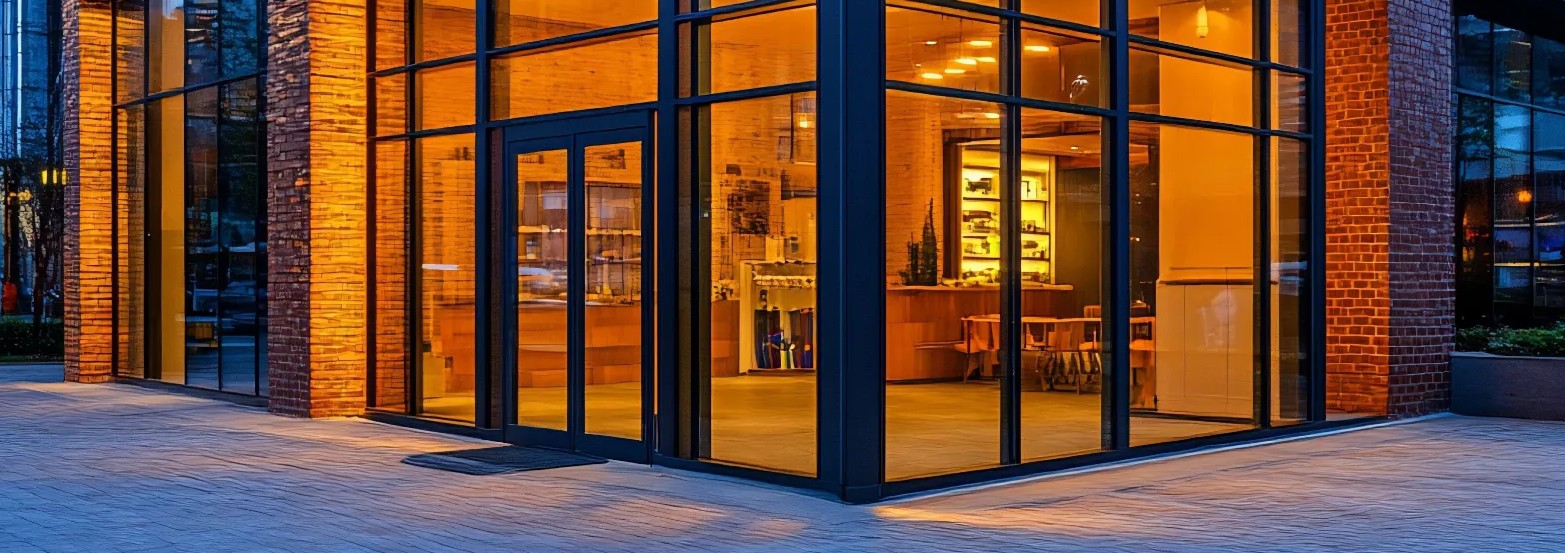
Shopfront glazing forms a significant part of a commercial building’s façade, often serving as a focal point. It contributes to both a building’s appearance and its everyday performance.
Large glazed areas can maximise visibility into retail units, introduce natural light and create an attractive, professional frontage.
Beyond their visual impact, commercial shopfronts need to withstand frequent use and continued exposure to the elements. High footfall and challenging weather conditions can place additional demands on older or lower-specification systems.
For developers and contractors, this means that their specification should consider a shopfront’s whole-life performance rather than focusing solely on upfront product cost.
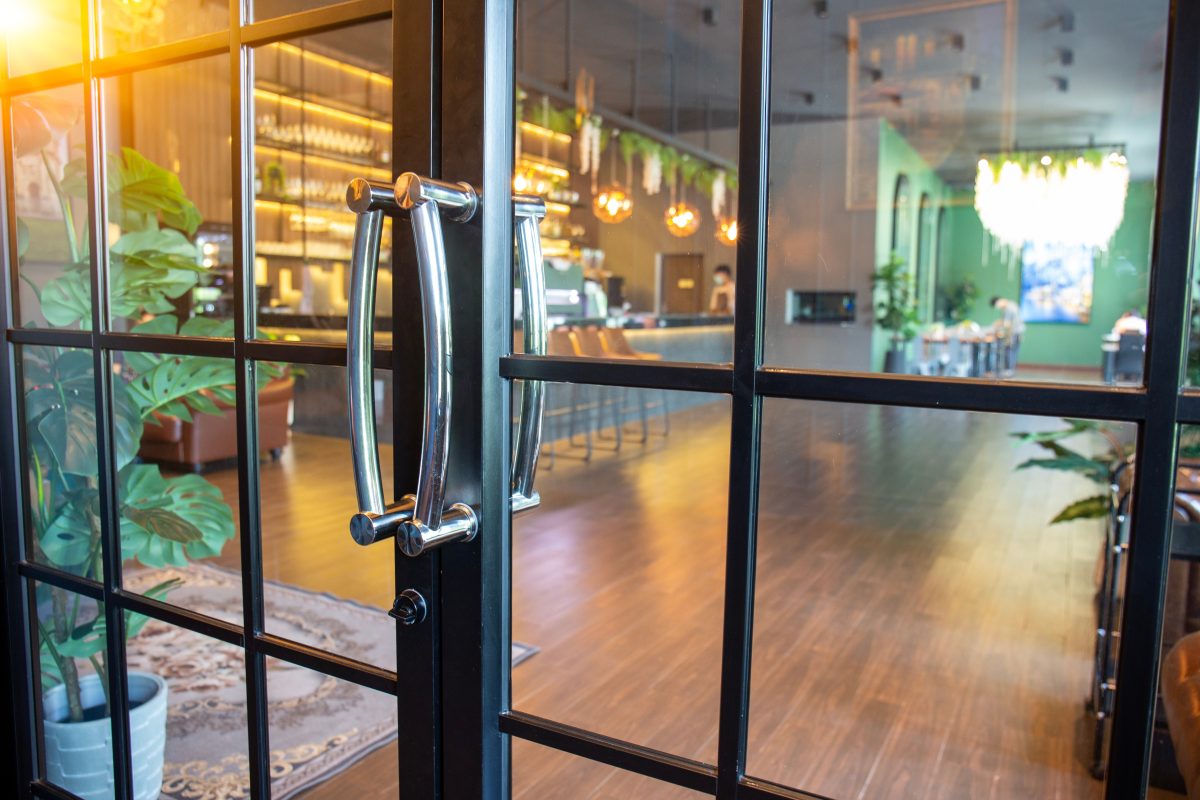
What Affects the Cost of Commercial Shopfront Windows?
Rarely is there a ‘standard price’ for commercial shopfronts. Each project has its own requirements and several factors must be considered before a system can be accurately specified and priced.
A project’s overall dimensions must be considered. Larger shopfronts require more framing and more glazing. Glass specification itself will also influence the cost.
Installation complexity: access, site conditions and unusual configurations can increase labour and installation requirements, causing an increase to the overall price.
Aluminium vs Alternative Shopfront Materials
No single material is universally suitable for every project, but aluminium offers several advantages for modern commercial applications. Its strength allows for slim profiles and generous glazed areas, which makes it particularly suitable where visibility and contemporary aesthetics are priorities.
Aluminium is durable and highly corrosion-resistant and requires relatively little maintenance compared to options like timber. While timber can provide an authentic traditional appearance, it may require greater ongoing maintenance.
uPVC can offer a lower-cost solution for some applications but generally provides a different aesthetic and profile design. It all depends on a project’s requirements and priorities. It is important to consider long-term maintenance and performance alongside initial material cost.
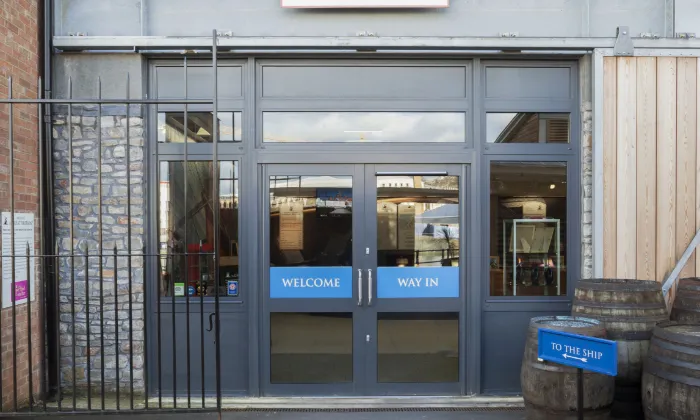
Shopfront Window Cost Factors
| Factor | Impact on Cost |
| Size of Glazing | Larger glazed areas generally increase material and fabrication requirements |
| Glass Specification | Upgraded glazing or specialist performance requirements can increase costs |
| Security Requirements | Enhanced glazing, locking or hardware specifications may increase the overall project cost |
| Frame System | Profile design, thermal requirements and system specification influence cost |
| Installation Complexity | Difficult access, bespoke configurations and challenging site conditions can increase installation requirements |
| Automation Requirements | Automated doors, access controls and associated components add to the overall specification |
Get a Quote for Your Commercial Shopfront
There is no single answer to how much a commercial shopfront costs. Size, glazing, security, framing, finishes, access and installation requirements all influence the final quotation.
Providing detailed project information at quotation stage helps support accurate specification and pricing.
As an experienced aluminium fabricator and supplier, BDC Aluminium supports commercial shopfront projects of varying sizes and specifications. Send your requirements to our team to discuss the right system for your project and receive an accurate quotation.