The growing demand for cleaner, slimmer sightlines and higher-performing building envelopes is shaping façade designs in the UK. Slimline aluminium systems are increasingly being specified as they support contemporary architectural intent while meeting modern performance standards.
Slimline systems offer a practical solution for architects, developers and contractors tasked with delivering expansive glazing without compromising structural integrity, durability or compliance.
What Are Slimline Aluminium Frames?
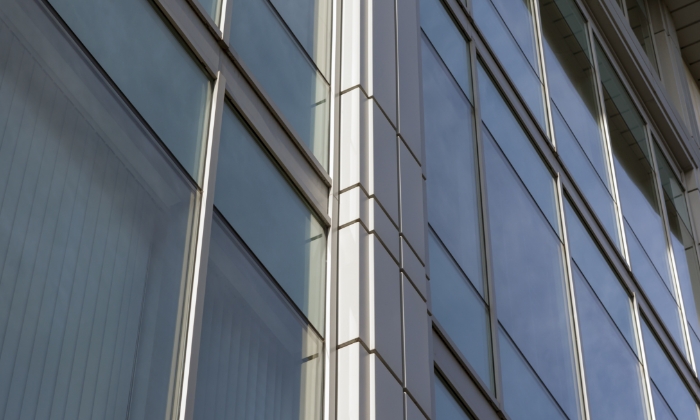
Slimline aluminium frames refer to glazing systems that deliver slimmer sightlines, reduced frame bulk, and a greater proportion of glass within the overall aperture.
The impressive strength-to-weight ratio of aluminium means these systems can accommodate larger glazed units while maintaining minimal frame dimensions. The result? A refined, modern aesthetic supported by robust characteristics.
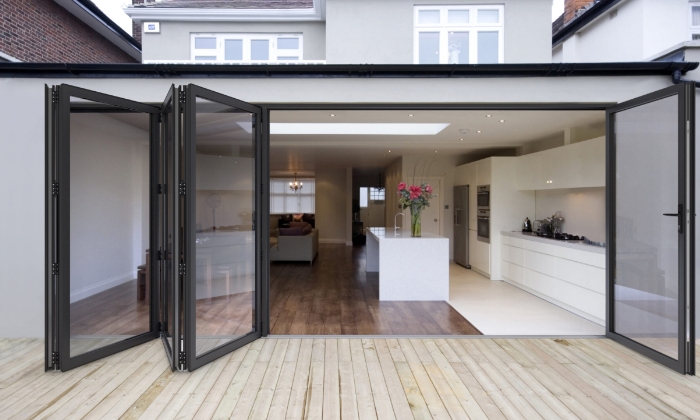
Why Do Architects Prefer Slim Profiles?
Slimline aluminium systems align closely with current architectural priorities – reducing visible bulk and achieving consistency across façade designs.
Slim profiles allow architects to maintain design intent across both residential and commercial schemes, particularly where large openings or uninterrupted glazing are required.
Maximising Glass and Natural Light
The growing desire for natural light and increased glazed areas is a key driver in modern design, especially in schemes where occupant experience is a central consideration.
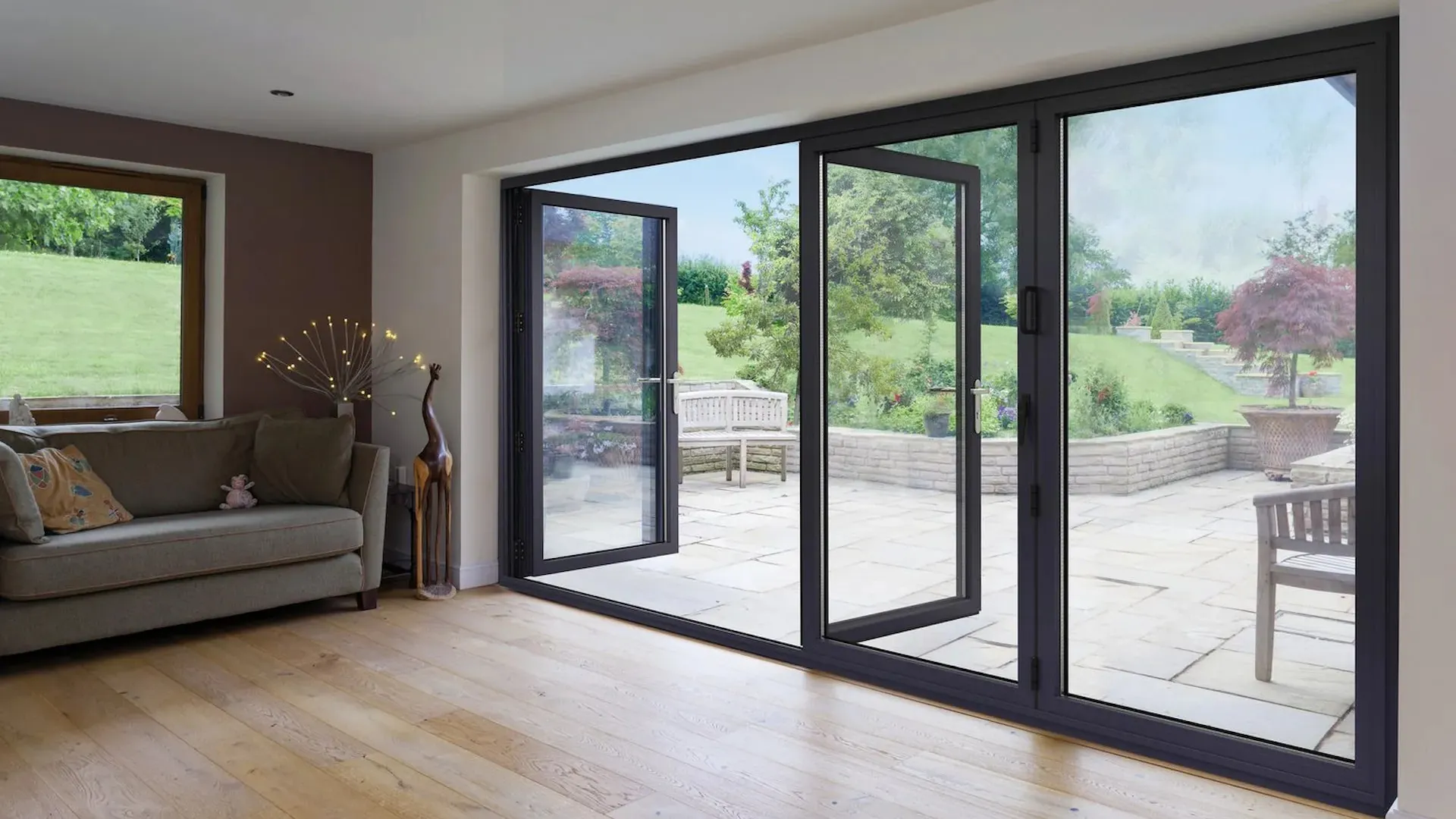
Slimline aluminium frames allow larger glass units with reduced frame obstruction, supporting greater natural light penetration and improved internal environments. In high-density urban developments where access to natural light is limited, this capability is particularly relevant.
Popular Applications in Modern Projects
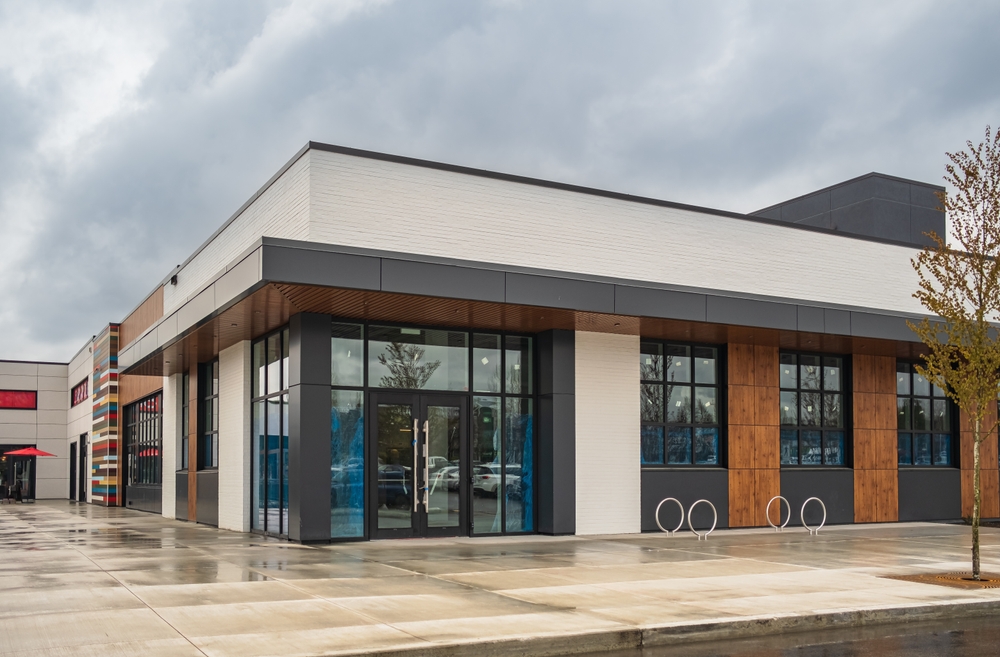
Slimline aluminium frames are now widely specified for a variety of project types and applications. Retail shopfronts requiring high transparency and visual impact benefit greatly.
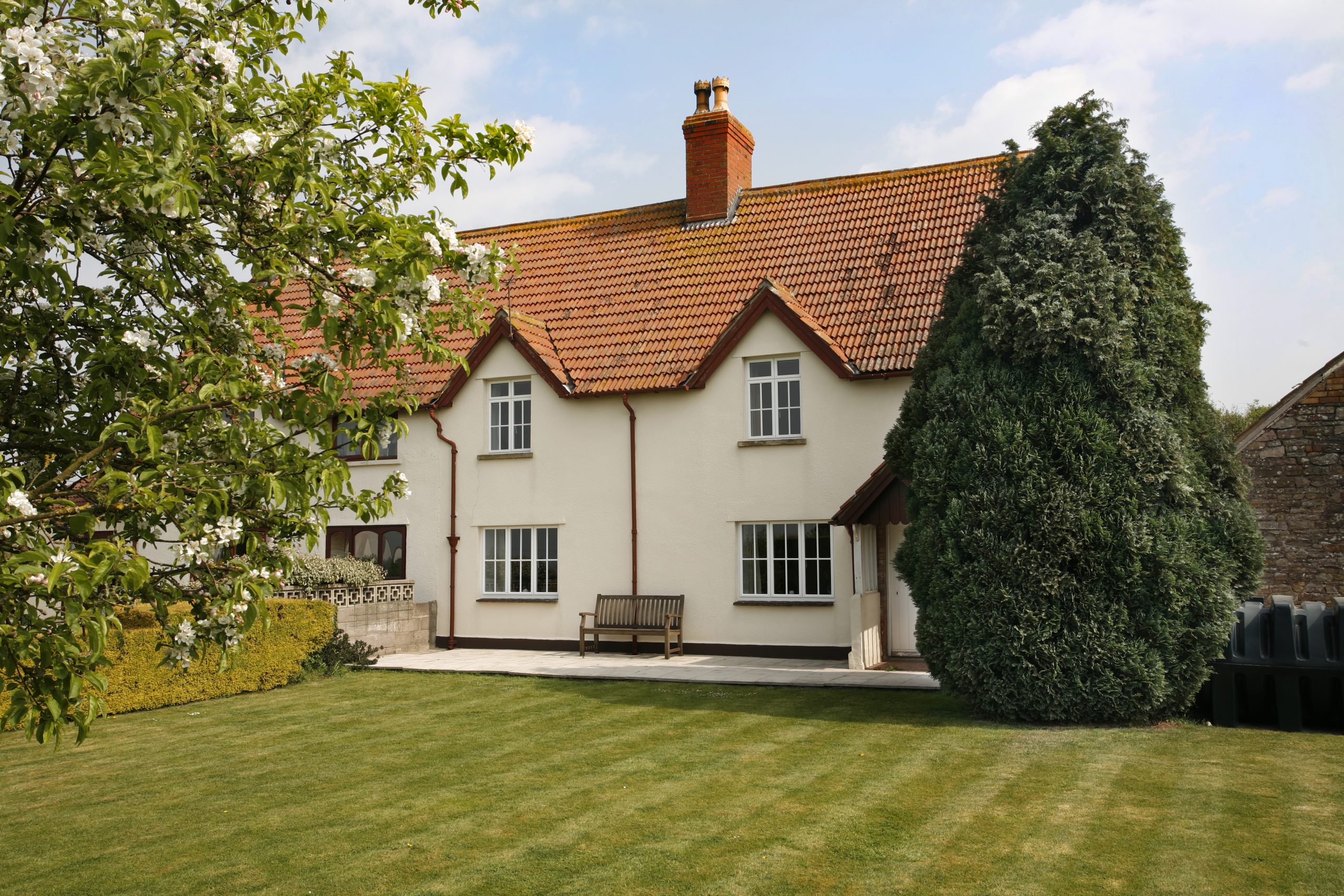
Glazed extensions and refurbishment projects frequently implement aluminium systems, as well as internal screening systems within open-plan commercial environments.
Slimline Frame Benefits
| Design Feature | Architectural Advantage | Typical Application |
|---|---|---|
| Ultra-slim sightlines | Maximises glazed area and supports contemporary design | Commercial facades |
| High-strength aluminium | Accommodates large glass units with less bulky frames | Sliding systems, large-span openings |
| Lightweight material | Improves handling and installation efficiency | Refurbishments and new-build projects |
Discover Slimline Aluminium Solutions
With project requirements constantly evolving, slimline aluminium provides a solution for specifiers and contractors. Balancing design, structural performance and long-term durability, aluminium systems offer a reliable route to achieving modern aesthetics while meeting the practical demands of commercial and residential development.Request a quote today from BDC Aluminium and explore how bespoke glazing systems can support your next project.