Circularity in Construction: Why Aluminium Wins the Green War

Circularity in Construction: Why Aluminium Wins the Green War

Within the construction industry, sustainability and carbon reduction are high priorities. Developers, contractors and architects face mounting pressure to meet Net Zero targets. 

Circular economy principles are increasingly shaping building design and specification. With aluminium widely recognised as a circular building material, BDC Aluminium offers the perfect sustainable solution for windows, doors and internal glazing.

The Importance of Circularity in Construction

The term ‘circularity’ focuses on the reuse, recycling and lifecycle value of different building materials. As the construction sector is responsible for significant global carbon emissions, regulations and ESG goals are driving sustainable material choices.

To ensure compliance, specifiers are prioritising materials with long lifecycles and high recyclability. Reducing waste and embodied carbon are key project objectives in any development or refurbishment project. 

Aluminium fits circular economy principles better than many alternatives, making it a popular choice for specifiers, developers and contractors across many applications.
glazing partner

Why Aluminium Wins the Green War

Aluminium is infinitely recyclable without a significant drop in quality. It’s highly recycled within the construction sector and uses significantly less energy to recycle than primary aluminium construction. 

Its extended lifecycle reduces the need for replacement, making it a sustainable option for new projects. The metal’s corrosion resistance supports the system’s durability, while remaining lightweight and strong. 

Its suitability for reuse and remanufacture makes it an inherently eco-friendly option, supporting low lifecycle carbon in buildings and increasing use in sustainable architecture.

BDC Aluminium’s Sustainable Metal

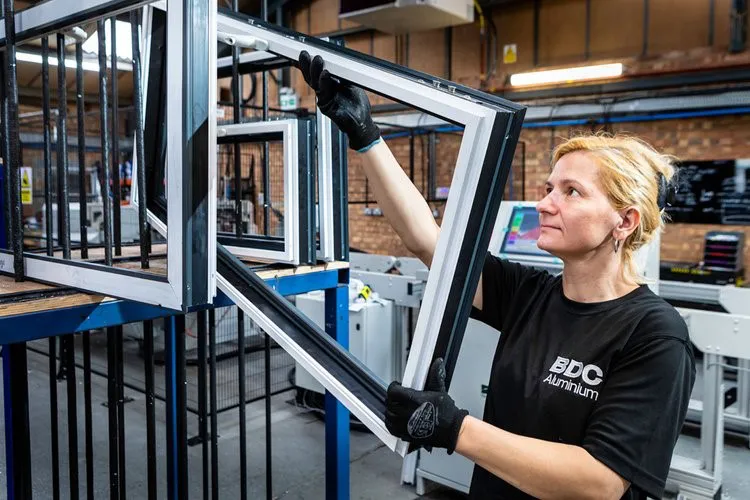
All BDC Aluminium’s glazing systems are fabricated from recyclable materials. They feature long-life powder-coated finishes that reduce maintenance and replacement. They are also made-to-order, resulting in less waste materials or unnecessary emissions.

BDC supports circular material flows in construction, supplying sustainably manufactured and fabricated aluminium systems, built with long service life and recyclability at the forefront. 
bdc aluminium

Choose BDC for your Net Zero Commercial Project Today

We support architects, developers and contractors with aluminium solutions, suitable for Net Zero, low-carbon and sustainable projects. If you’d like to discuss how BDC could help with the sustainability of your next project, please get in touch with our expert team.
Newsletter

Understanding Glass Options for Aluminium Windows and Doors
4 days ago News

Understanding Glass Options for Aluminium Windows and Doors

Choosing glazing for your next project involves more than picking between double and triple glazing. Selecting the right glass can improve energy efficiency, security, occupant comfort and noise reduction. Glazing is a key part of specifying aluminium windows and doors. To help you make your choice, we’ve put together a simple guide to the main glass options available. Double vs Triple Glazing Explained Double glazing is a noticeable upgrade on single glazing. It significantly improves insulation thanks to the extra pane of glass incorporated into the design. BDC Aluminium offers double glazing as standard. Triple glazing is a higher-performance upgrade with a third pane. Triple-glazed doors and windows provide improved warmth, sound insulation and security. It’s a larger investment, so its suitability depends on project requirements. Low-E Glass and Managing Solar Gain ‘Low-E’ stands for ‘low emissivity’ and refers to a special invisible coating applied to the glass. It helps reflect heat into buildings during colder months, thus improving heat retention. This type of glass also helps to reduce excess solar gain in warmer weather, doing so by limiting overheating from direct sunlight. This improves thermal efficiency, indoor comfort and the overall performance of glazing. Low-E glass is particularly effective for large glazed areas and energy-focused projects. It helps support year-round comfort without affecting natural light levels. Safety Glass Options: Toughened and Laminated Safety glass is important for compliance, security and protection in commercial and residential projects. Toughened glass is a stronger form of glass that has been heat-treated for improved strength and durability. If it breaks, it shatters into smaller, blunt pieces rather than dangerous, sharper shards. This makes it ideal for doors and low-level glazing, plus higher-risk areas where accidental impact is a possibility. Laminated glass consists of two panes bonded together by a plastic interlayer between them. If broken, this interlayer helps to hold the glass in place rather than allowing it to shatter fully. Acoustic Glazing for Noise Reduction Acoustic glazing reduces outside noise and improves internal comfort. It’s ideal for premises near busy roads, schools, town centres and any other high-traffic areas. It’s a practical upgrade for improving usability in noisy locations. Get Expert Advice from BDC Aluminium Glazing affects performance as much as appearance. For added benefits like efficiency, security, compliance and comfort, BDC Aluminium offers a range of glass options. Contact BDC to find out more about our glazing choices, and find out how we could better your next project.

© 2026 BDC Aluminium Ltd

Terms and Conditions

CONTACT US

TRADE LOGIN

NEW CUSTOMER