Common Mistakes to Avoid When Specifying Aluminium Windows & Doors

Common Mistakes to Avoid When Specifying Aluminium Windows & Doors

Specifying aluminium systems is high-value and detail-critical. Mistakes at the specification stage can be disastrous, potentially resulting in costly delays, site rework, compliance issues and fractured client relationships.

The complexity of modern projects seems to increase every year. Stricter building regulations and higher thermal performance expectations can make specifying more challenging. A wider range of systems and configurations might also make it harder to choose the right systems. This only emphasises the importance of getting it right the first time.

BDC Aluminium are a technical partner, not just a supplier. We’re here to help you specify the best products for your projects.
Featured BDC

Incorrect Measuring & Specification Errors

Incorrect measuring and specification errors are common and frequently costly issues in the supply chain. Typical mistakes include incorrect aperture measurements, not accounting for tolerances, ignoring build-ups (like floor finishes, plaster and insulation) and miscommunication between the parties involved.

This could result in ill-fitting frames, on-site delays and additional fabrication or replacement costs. Coordination between all stakeholders is pivotal to the smooth running of projects.

Choosing the Wrong System for the Project

Not all aluminium systems are suitable for every application. In some cases,  systems aren’t designed for the required spans or loads. Using residential systems in commercial settings (or vice versa) can cause issues. Or specifying the incorrect door type for the functionality needed, like choosing between bifolds or sliders, can prove problematic.

When specifying, make sure to consider the project type: whether it’s residential, commercial or mixed-use. Consider their frequency of use and the traffic volume they’ll experience.  If you’re unsure, our expert team will help guide you through the system selection.

Thermal Performance Misunderstandings

There is increasing pressure to meet Part L and other energy efficiency targets.  Common misunderstandings include misinterpreting U-values, assuming all systems perform equally, and failing to account for glazing specifications.

Wrong decisions can jeopardise compliance, lead to costly redesigns, and reduce performance.

Installation Issues

Even correct specifications can fail with poor installation. Incorrect tolerances on site, poor alignment and levelling, inadequate sealing and weatherproofing or lack of coordination with other trades could lead to callbacks and reputational damage.

As such, the importance of following manufacturer guidelines, using experienced installers, and conducting proper pre-installation checks is emphasised.

Specification Mistakes & Solutions Guide

You’ll find a helpful guide below, ideal for installers and specifiers as a practical reference.

Common Mistake Risk Created Recommended Fix
Incorrect aperture measurements Poorly-fitting frames, site delays Conduct accurate surveys and allow tolerances
Ignoring structural requirements Frame failure or poor performance Confirm load requirements early
Specifying the wrong system type Reduced functionality, client dissatisfaction Match system to usage and project type
Misunderstanding U-values Failure to meet building regs Verify whole-unit performance and glazing specs
Poor communication between stakeholders Errors, delays Ensure clear documentation and coordination

Get Expert Specification Support and Avoid Costly Mistakes

BDC are more than a supplier – we’re a solutions-driven partner. We know that small specification mistakes can lead to major project issues. As a reliable, knowledgeable and trade-focused partner, we reduce risk and improve your project’s outcomes. If you’re interested in partnering with BDC, get in touch today.
Newsletter

Designing Flexible Workspaces: The Growing Demand for Internal Glazing Systems
9 days ago News

Designing Flexible Workspaces: The Growing Demand for Internal Glazing Systems

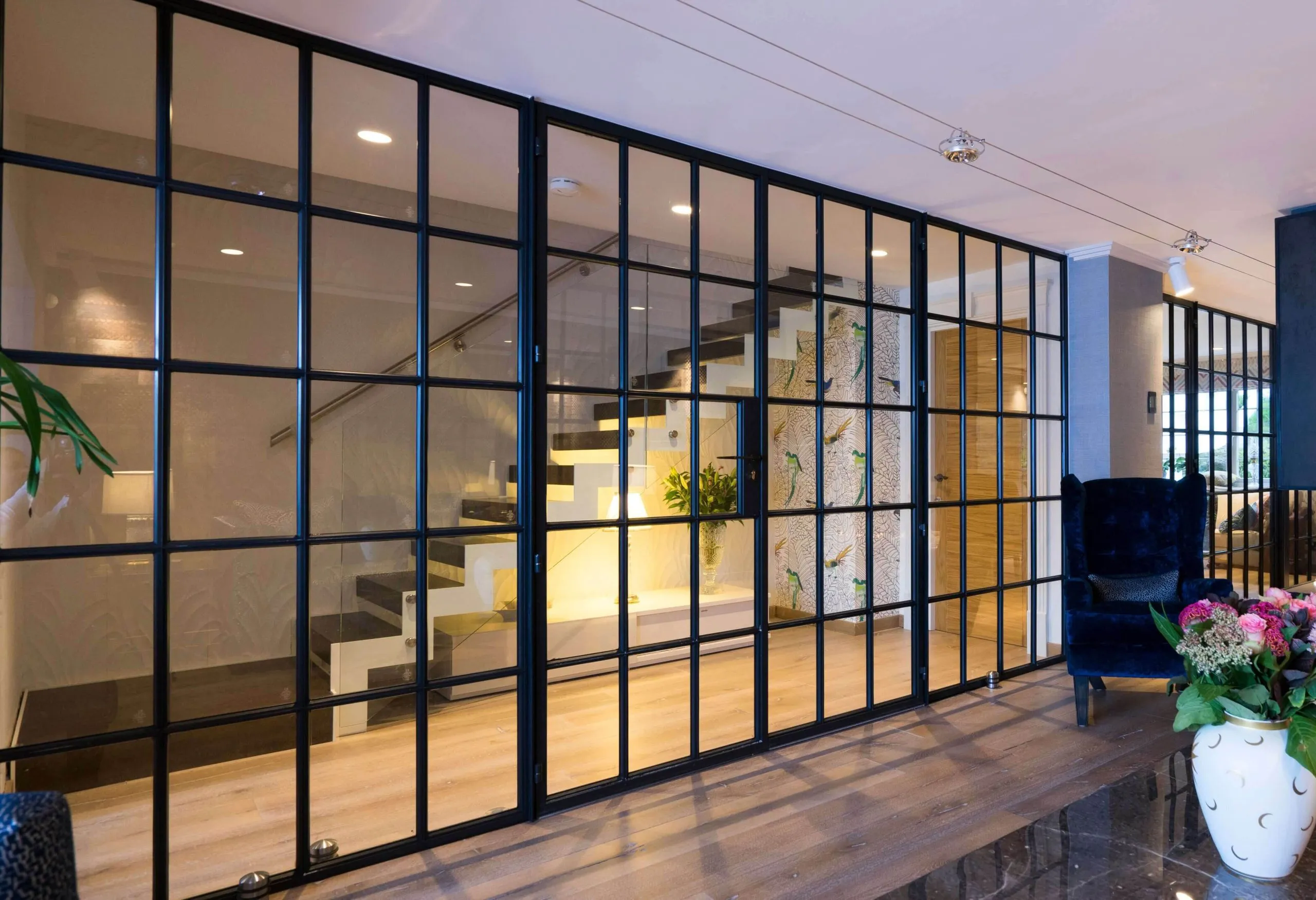
The way commercial spaces are designed has changed significantly. Flexibility is now a defining feature of modern commercial design, influencing projects across offices, hospitality venues and educational environments. Businesses increasingly require interiors that can adapt to changing occupancy levels, hybrid working and evolving operational needs. Internal aluminium glazing systems provide an effective solution. They create defined spaces without sacrificing openness or natural light. BDC Aluminium’s Smart AluSpace Internal Doors & Screens are a versatile solution for modern commercial interiors. Why Flexible Commercial Spaces Matter Workplaces have evolved beyond fixed office layouts. Agile, multi-purpose environments are increasingly favoured, allowing businesses to maximise the use of their available space while adapting to changing operational requirements. There is growing demand for meeting rooms, breakout areas, collaboration zones and private working environments that can coexist within open-plan interiors. Similar requirements are now common across hotels, restaurants, universities, schools and healthcare facilities. To facilitate this change, flexible partitioning has become an important consideration during the specification stage. Internal Aluminium Screens Explained Internal aluminium screens differ from traditional stud walls and solid partitions as they offer greater flexibility. The Smart AluSpace system, supplied and fabricated by BDC Aluminium, features fixed screens alongside hinged, pivot and sliding door options to suit different layouts. With slim 35mm aluminium frames and generous glazed areas, Smart AluSpace maximises natural light while creating a contemporary appearance, making it a popular choice for commercial projects. Black and Anthracite Grey are popular choices for modern interior spaces, while over 200 bespoke RAL powder-coated finishes offer even greater design flexibility to meet individual project requirements. Applications Across Offices, Hospitality & Education Internal glazing systems are now being used across a variety of commercial sectors. Office buildings utilise them to create meeting rooms, private offices, collaboration spaces, reception areas and executive suites. Education environments also benefit from internal screening, which can be used to create classrooms, staff offices, libraries and collaborative learning spaces while maintaining a flexible, open feel. Internal screens help maintain visual openness while creating functional separation between spaces. The AluSpace system is suitable for both commercial and residential projects of varying sizes. Benefits of Internal Glazing Systems BenefitValue for Commercial ProjectsAcoustic PerformanceEffective acoustic insulation helps reduce noise transfer while maintaining open, collaborative environments.Natural LightSlim aluminium frames and large glazed areas maximise daylight throughout interior spaces.Space SeparationCreates distinct working zones without the permanence or visual weight of solid walls.Installation SpeedAluminium screening systems can often be installed more efficiently than traditional partition construction, helping keep projects moving.Design FlexibilityFixed screens together with hinged, sliding and pivot doors allow layouts to be tailored to individual project requirements. Why Trade Installers Should Add These to Their Offering The growing demand for internal glazing presents installers with an opportunity to expand their offering and secure additional commercial projects. The versatility of the AluSpace system is making it a popular choice across office fit-outs, refurbishments, hospitality projects and educational facilities. Supporting every project is BDC Aluminium's trade-focused service, technical expertise and reliable fabrication capability, helping installers deliver commercial projects efficiently and with confidence. Contact the team at BDC Aluminium to discuss the requirements of your upcoming projects, or request a quote today.

© 2026 BDC Aluminium Ltd

Terms and Conditions

CONTACT US

TRADE LOGIN

NEW CUSTOMER